SEPTIC SERVICE FAQ
Septic Service FAQ
Have questions about septic tank pumping, septic cleaning, septic repair, emergency septic service, septic inspections, drain fields, septic lines, septic pumps, backups, odors, costs, or Ohio service areas? This FAQ hub answers common septic service questions and links to helpful Septic Service Co pages.

Quick FAQ Sections
Use these quick links to jump to the septic service topic you need.
Septic Service Questions and Answers
This FAQ page helps customers understand common septic service topics before calling for service information. For service-specific pages, visit Septic Tank Pumping, Septic Tank Cleaning, Septic Tank Repair, Emergency Septic Service, Septic System Inspection, and Drain Field Repair.
Septic Service Basics
What is septic service?
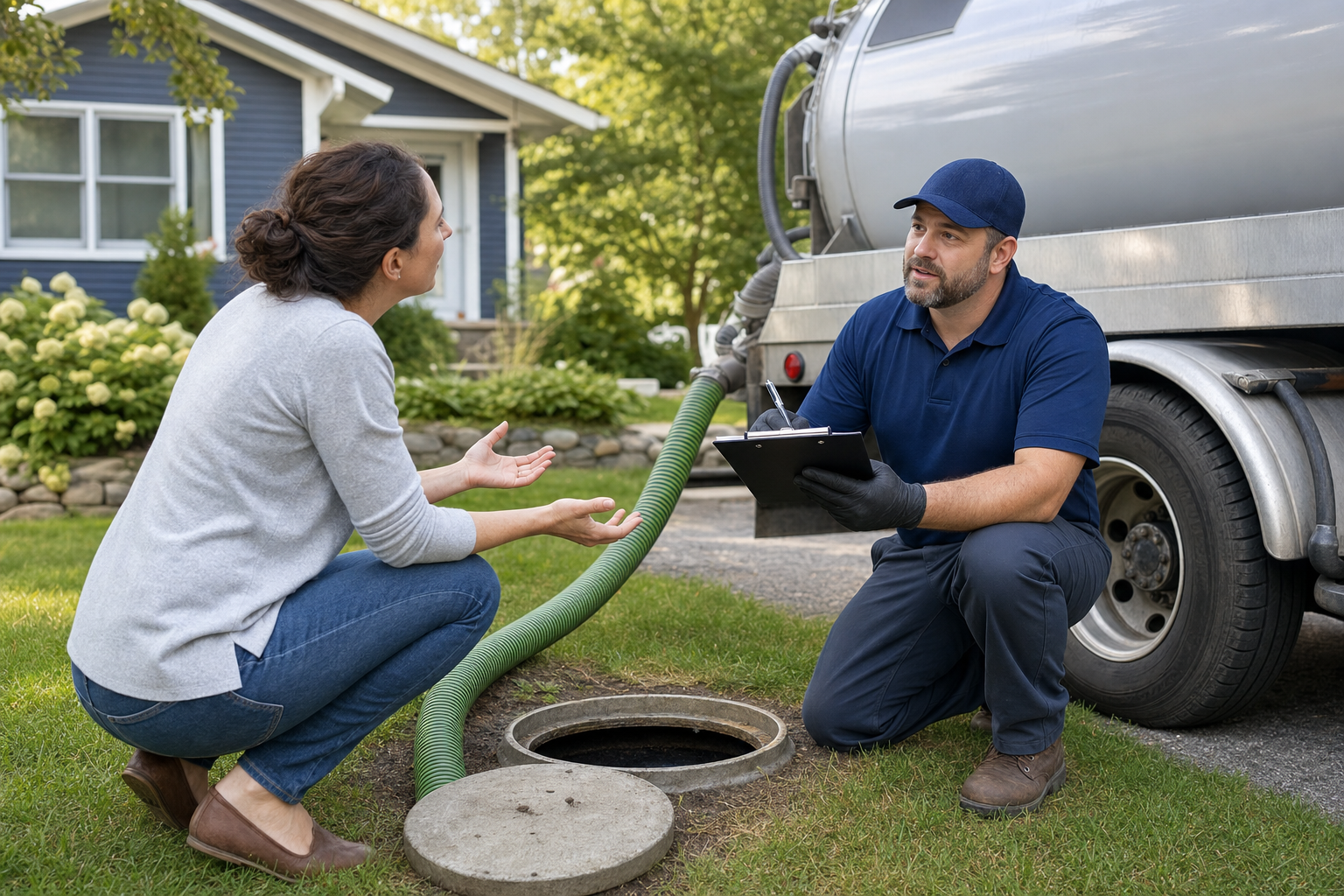
Septic service can include septic tank pumping, septic tank cleaning, septic system inspection, septic tank repair, drain field repair, septic line repair, septic pump repair, septic maintenance, emergency septic service, and related system help.
When should I call for septic service information?
You may want to call when you need routine pumping, septic cleaning, a system inspection, help with sewage odors, slow drains, gurgling drains, wet yard areas, septic backups, alarm issues, septic line problems, or possible drain field concerns.
Does Septic Service Co provide septic service directly?
No. Septic Service Co is a referral-style website. We provide septic service information and may help connect callers with independent local septic service providers where availability exists.
What information should I have ready before calling?
Have your city, service location, type of septic issue, last known pumping date, tank access details, symptoms, whether the issue is urgent, and any known system details ready when calling for septic service information.
Septic Tank Pumping and Cleaning Questions
What is septic tank pumping?
Septic tank pumping removes accumulated waste, sludge, and scum from a septic tank. Routine pumping can help reduce the risk of backups, odors, overfilled tanks, and system problems. Visit our septic tank pumping page for more information.
What is septic tank cleaning?
Septic tank cleaning may involve more thorough tank service, removal of buildup, and inspection of tank condition or components. Service details may vary by provider. Visit our septic tank cleaning page.
How often should a septic tank be pumped?
Pumping frequency can depend on tank size, household size, water usage, system age, garbage disposal use, property type, and provider recommendations. Many systems need periodic pumping, but the right schedule should be confirmed with a septic provider.
What are signs a septic tank may need pumping?
Possible signs can include slow drains, gurgling fixtures, sewage odors, wet areas near the drain field, backups, or a long time since the last pumping. These symptoms can also point to other septic or plumbing issues, so inspection may be needed.
Septic Repair Questions
What are common septic tank repair issues?
Common septic repair concerns may include damaged baffles, cracked tanks, broken lids, clogged lines, pump failure, alarm issues, damaged pipes, root intrusion, access problems, or drain field concerns. Visit our septic tank repair page.
Can slow drains mean a septic problem?
Slow drains can be caused by plumbing clogs, septic tank issues, full tanks, septic line problems, drain field concerns, or other system problems. A septic provider may need to inspect the system to determine the cause.
Can sewage odors mean my septic system needs repair?
Sewage odors can indicate septic tank problems, venting issues, drain field issues, backups, leaks, or plumbing concerns. Odors should not be ignored, especially if they appear indoors or near the drain field.
Does every septic problem require replacement?
No. Some issues may be repaired, while others may require larger work depending on system condition, drain field condition, tank age, local rules, and provider findings. Always confirm options directly with a septic provider.
Emergency Septic Service Questions
What counts as an emergency septic problem?
Emergency septic issues may include sewage backups, wastewater exposure, overflowing fixtures, strong sewage odors, standing wastewater, septic alarm issues, or signs that the system may be failing. Visit our emergency septic service page.
What should I do if sewage backs up into the home?
Avoid contact with sewage or wastewater, keep children and pets away from affected areas, stop using water where possible, and call to request emergency septic service information. Cleanup and safety instructions should be confirmed with a qualified provider or local authority.
Can heavy rain cause septic problems?
Heavy rain, flooding, saturated soil, or high groundwater can affect septic system performance, especially if the drain field is already stressed. If problems appear after heavy rain, a septic provider may need to inspect the system.
Does Septic Service Co provide emergency service directly?
No. Septic Service Co does not provide emergency septic service directly. We may help connect callers with independent local septic providers where emergency availability exists.
Septic Inspection Questions
What is a septic system inspection?
A septic inspection may check tank condition, access, pumping needs, system function, drain field condition, lines, pumps, alarms, baffles, and visible signs of system issues. Visit our septic system inspection page.
When might I need a septic inspection?
A septic inspection may be useful before buying or selling a property, after a backup, before major repairs, when there are odors or wet yard areas, or when you are unsure about the condition of the system.
Can an inspection tell me if the drain field is failing?
A septic inspection may help identify signs of drain field stress or failure, but exact findings depend on the provider, inspection type, system access, soil conditions, and local requirements.
Do septic inspection requirements vary by location?
Yes. Inspection requirements can vary by city, county, health department, real estate transaction, lender, property type, and local rules. Confirm requirements directly with the provider or local authority.
Drain Field, Septic Line, and Septic Pump Questions
What is a septic drain field?
A septic drain field is the area where treated wastewater from the septic tank is distributed into the soil. Drain field condition can affect how well the septic system works. Visit our drain field repair page.
What are signs of a drain field problem?
Possible signs can include wet or soggy yard areas, sewage odors outside, slow drains, backups, unusually green grass over the drain field, standing water, or recurring septic issues. A provider may need to inspect the system.
What is septic line repair?
Septic line repair may involve problems with pipes between the home, septic tank, pump chamber, or drain field. Issues can include clogs, breaks, root intrusion, collapsed lines, or poor flow. Visit our septic line repair page.
What does a septic pump do?
A septic pump may move wastewater or effluent from one part of the system to another, especially when gravity flow is not enough. Septic pump problems can cause alarms, backups, or system performance issues. Visit our septic pump repair page.
Septic Service Cost Questions
How much does septic service cost?
Septic service cost can vary by location, service type, tank size, system access, emergency status, inspection needs, pumping needs, repair complexity, excavation requirements, permits, and provider pricing. Visit our septic pumping cost page.
What affects septic tank pumping cost?
Septic pumping cost may depend on tank size, location, access to the tank, how full the tank is, disposal fees, provider pricing, emergency service, and whether additional cleaning or inspection is needed.
Can septic repair cost more than pumping?
Yes. Septic repair can cost more than routine pumping depending on the issue, system condition, parts, labor, excavation needs, permits, drain field condition, and provider recommendations.
Are septic service prices the same in every Ohio city?
No. Pricing can vary by city, provider coverage, travel distance, local demand, tank access, service type, system condition, and emergency availability.
Ohio Septic Service Area Questions
Does Septic Service Co cover Ohio?
Septic Service Co provides septic service information for Ohio cities and surrounding areas where provider availability may exist. Visit our Ohio service areas page.
Can I find city-specific septic service information?
Yes. Septic Service Co includes local pages for cities such as Columbus, Cleveland, Cincinnati, Toledo, Akron, Dayton, Parma, Canton, Lorain, Hamilton, Youngstown, Springfield, Kettering, Elyria, Middletown, and more.
Does septic service availability vary by city?
Yes. Availability can vary by provider coverage, service type, emergency demand, septic truck availability, system access, property location, weather, and local provider schedules.
Ohio Service Areas
Find septic service information for major Ohio cities.
Need Septic Service Information?
Call today to request septic service information for pumping, cleaning, repair, inspections, backups, drain field problems, septic line issues, septic pump repair, emergency septic service, or maintenance needs.
Helpful Septic Service Guides
Referral Disclosure: Septic Service Co is a referral-style website. We may help connect callers with independent local septic service providers. We do not directly pump septic tanks, clean septic tanks, repair septic systems, inspect septic systems, install septic tanks, replace septic tanks, repair drain fields, install drain fields, repair septic lines, operate septic trucks, haul waste, provide permits, perform septic excavation, or provide emergency septic service ourselves. Pricing, availability, response times, service options, warranties, permits, inspections, repair recommendations, and provider qualifications may vary by location. Always confirm all details directly with the provider before scheduling service.
